Benchmarks
07 November 2026
iPhone 18 Pro Max Review
07 November 2026

Author
Senka WolfAfter three years with the iPhone 15 Pro I have upgraded to the iPhone 18 Pro Max. Here is how it compares and whether the jump was worth it.
Table of Contents
Why I Upgraded
I bought my iPhone 15 Pro 128GB in Blue Titanium in November 2023, and by the time I bought the iPhone 18 Pro Max in October 2026 the battery health had dropped to 89%.
My main reasons for upgrading were a bigger screen and better battery life. Obviously jumping from a standard Pro model to a Pro Max gives me both of those, a larger screen and a bigger battery, with the downside being the extra weight. For me the pros easily outweigh the con here.
I was also very interested in the iPhone Duo. I have never owned a folding phone and have always wanted to try one. However, shortly after it was released, reports started coming in of the inner screens cracking down the middle, sometimes within hours of people getting them. That, along with the fact it is Apple's first attempt at a folding phone, put me off. I would rather wait for a second generation once the early problems have been ironed out.
Specifications
Side by side with the phone I upgraded from.
| iPhone 15 Pro (Old) | iPhone 18 Pro Max (New) | |
|---|---|---|
| Colour | Blue Titanium | Burgundy |
| Storage | 128GB | 256GB |
| Display | 6.1" Super Retina XDR OLED, ProMotion up to 120Hz, Always-On | 6.9" Super Retina XDR OLED, ProMotion up to 120Hz, Always-On |
| Chip | A17 Pro | A20 Pro (6-core CPU, 7-core GPU, dual 16-core Neural Engine) |
| Rear Cameras | 48MP Main, 12MP Ultra Wide, 12MP 3x Telephoto | 48MP Fusion Main (variable aperture f/1.48 to f/4.0), 48MP Ultra Wide, 48MP 4x Telephoto |
| Optical Zoom Range | 6x | 8x |
| Front Camera | 12MP TrueDepth | 18MP Center Stage |
| Port | USB-C (USB 3, up to 10Gb/s) | USB-C (USB 3, up to 10Gb/s) |
| Frame | Titanium | Aluminium unibody, Ceramic Shield 2 front |
| Weight | 187g | 249g |
| Video Playback | Up to 23 hours | Up to 43 hours |
| MagSafe Charging | Up to 15W | Up to 25W |
| Battery Health at Swap | 89% | 100% |
| Purchased | November 2023 | October 2026 |
Full specifications on Apple's website: iPhone 15 Pro and iPhone 18 Pro Max.
Design and Build
Titanium to Aluminium
The biggest change in materials is the frame, which moves from titanium on the 15 Pro to an aluminium unibody on the 18 Pro Max. Aluminium dents and scratches more easily, but it is much better at getting rid of heat, which helps the phone keep its performance up for longer. That said, I do prefer the feel of the titanium and wish it had stuck around.
Camera Plateau
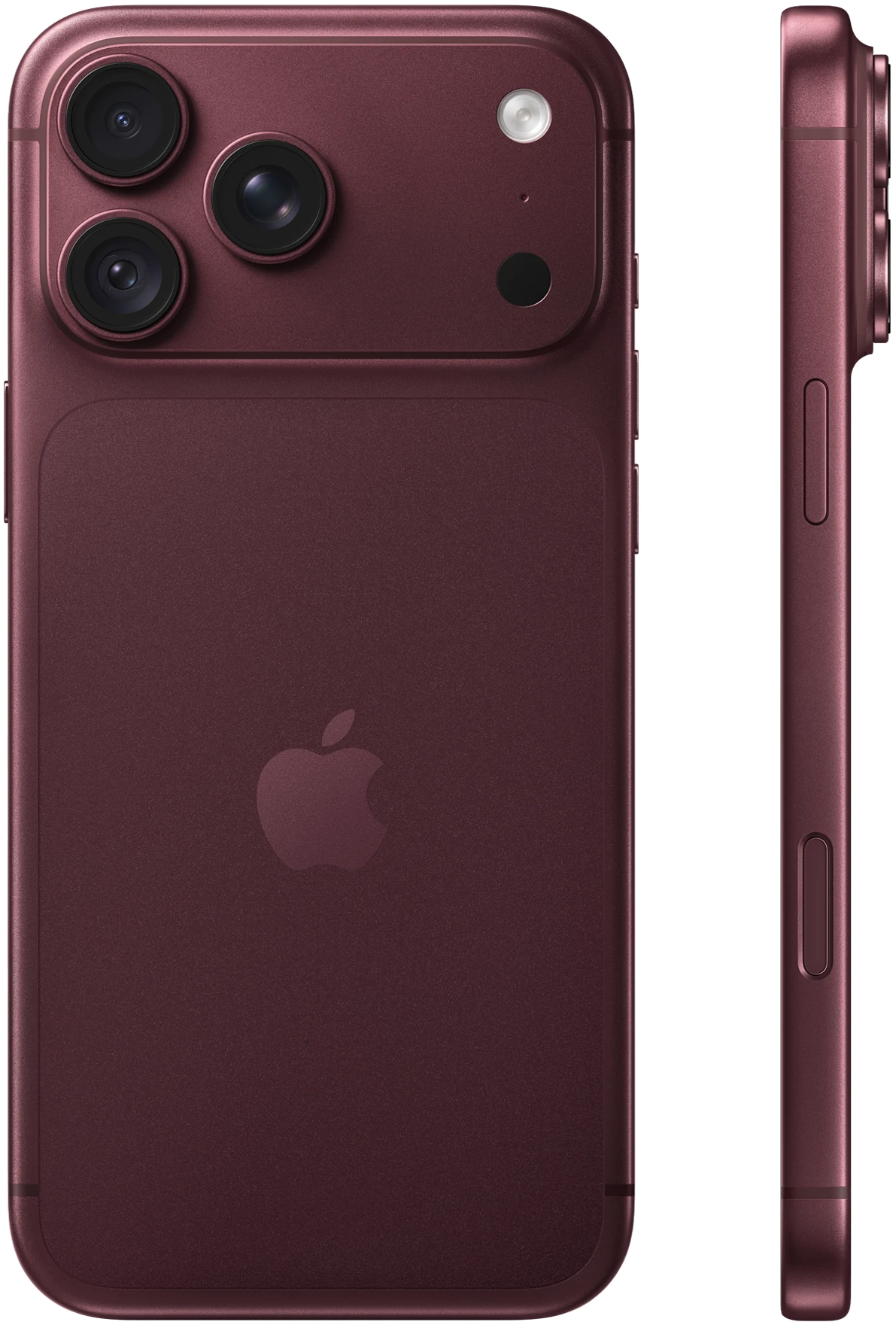
The square camera bump is gone, replaced by a full-width aluminium "plateau" that runs across the top of the back of the phone, a design Apple introduced with the iPhone 17 Pro. The lenses stay on the left with the flash and LiDAR moved over to the right. Apple also uses the space to house the logic board and other components, freeing up room in the main body for a bigger battery.
Coming from the 15 Pro, I think the plateau looks a lot better than the old bump. Instead of the lenses just poking out of one corner, the cameras now look like they are part of the design, and with the flash and sensors balancing things out on the right the back of the phone feels much less lopsided. The lenses themselves do still stick out from the plateau though, and without a case I can see this wobble on a table.
Size and Weight
Going from a 15 Pro to a Pro Max is a big jump in size. The 18 Pro Max is 249g compared to 187g on the 15 Pro, an extra 62g, and it is a little thicker too at 8.75mm against 8.25mm. It is noticeable in the hand, but it is the trade off for the bigger screen and battery I was after.
Display
The screen goes from 6.1" on the 15 Pro to 6.9" on the 18 Pro Max, and peak outdoor brightness goes up from 2,000 to 3,000 nits.
Outdoor Use
That extra brightness makes the biggest difference outside. On a sunny day the 15 Pro could be hard to read even at full brightness, and I would often find myself cupping my hand over the screen or turning to find some shade. The 18 Pro Max has 50% more headroom, and in independent testing it measured noticeably brighter than the previous generation's 2,000 nit panels, so things like maps, messages and the camera viewfinder are much easier to see in direct sunlight.
Brightness is only half of it though. The 18 Pro Max also has a new anti-reflective coating, which the 15 Pro does not have. Instead of seeing your own face and the sky reflected back at you, the glare is cut right down, and reviewers have found reflections to be minimal. Together with the brighter panel, this is what makes it so much better outdoors, as a bright screen does not help much if it is acting like a mirror.
It works the other way too. The screen can now dim right down to 1 nit, compared to around 2 to 4 nits on the 15 Pro, which is much easier on the eyes when checking your phone in a dark room or in bed. The front glass has also been upgraded to Ceramic Shield 2, which Apple says is more scratch resistant.
Dynamic Island
I really like that the Dynamic Island is now smaller and can show three Live Activities at once instead of two. Combined with the bigger screen it all ties in nicely, you get more room for content and the island takes up less of it.
Performance
I did not upgrade for the performance uplift, as I never experienced any issues with the A17 Pro in my old phone. Still, the jump to the A20 Pro is a big one on paper, along with RAM going from 8GB to 12GB. Here is how the two compare in Geekbench 6.
| Geekbench 6 | iPhone 15 Pro (A17 Pro) | iPhone 18 Pro Max (A20 Pro) | Difference |
|---|---|---|---|
| Single-Core | 2,878 | 4,725 | +64% |
| Multi-Core | 7,103 | 12,575 | +77% |
Scores from EveryMac (iPhone 15 Pro) and NanoReview (iPhone 18 Pro Max).
In everyday use like messaging, browsing and social media both phones feel quick, so the difference is only really going to show in heavier tasks like gaming or editing video. The 18 Pro Max also has a vapor chamber for cooling, which the 15 Pro does not, so it should hold its performance for longer before it heats up.
Battery and Charging
Battery life was one of my main reasons for upgrading, and this is where the 18 Pro Max makes the biggest difference. Apple's figures for the UK models nearly double across the board.
| iPhone 15 Pro | iPhone 18 Pro Max | |
|---|---|---|
| Video Playback | Up to 23 hours | Up to 43 hours |
| Streamed Video Playback | Up to 20 hours | Up to 38 hours |
| Wired Fast Charge | 50% in around 30 minutes (20W adapter) | 50% in around 15 minutes (60W adapter) |
| MagSafe | Up to 15W | Up to 25W |
| Qi2 | Up to 15W | Up to 25W |
Figures from Apple's UK spec pages. The UK 18 Pro Max keeps the nano-SIM tray, so it is rated slightly lower than the eSIM-only US model, which Apple quotes at up to 45 hours of video playback.
On top of that, my 15 Pro was down to 89% battery health after three years, so in practice it was getting even less than Apple's figures. Going from that to a brand new, much larger battery is a huge difference.
Charging is a lot quicker too. The 18 Pro Max can reach 50% in around 15 minutes, half the time of the 15 Pro, although you need a 60W or higher USB-C adapter with Adjustable Voltage Supply to get that speed, and Apple does not include one in the box. Wireless charging also goes up from 15W to 25W with MagSafe and Qi2 chargers.
Camera
I am not a professional photographer, and to be honest I can hardly tell the difference between photos from the two phones. Most reviewers agree that in good lighting the results from the main and ultra wide cameras are very close. On paper though, every camera has been upgraded.
| iPhone 15 Pro | iPhone 18 Pro Max | |
|---|---|---|
| Main | 48MP, fixed f/1.78 aperture | 48MP, variable f/1.48 to f/4.0 aperture |
| Ultra Wide | 12MP | 48MP |
| Telephoto | 12MP 3x | 48MP 4x, plus 8x optical-quality zoom |
| Front | 12MP TrueDepth | 18MP Center Stage |
| Max Video | 4K at 60fps | 4K at 120fps |
For someone like me the changes that actually matter are:
- More zoom - going from 3x to 4x, with an 8x option, means I can get closer to things without the photo turning to mush.
- Better selfies - the front camera is a noticeable step up, and Center Stage means I can take landscape selfies without turning the phone.
- Low light - in really dark scenes the 18 Pro Max pulls more detail out of the shadows.
- Camera Control - a new button on the side that opens the camera and takes photos, which the 15 Pro does not have.
There is a lot more for people who shoot video or like to tweak settings, such as manual aperture and shutter controls, Apple Log 2 and ProRes RAW, but I am unlikely to ever use most of it. If you mainly take photos of friends, family and days out like I do, both phones will do a great job.
Storage
Storage on the Pro models now starts at 256GB, so even the base model doubles the space I had on my 128GB iPhone 15 Pro.
Transferring Data
Unfortunately, moving my data over from the 15 Pro did not go smoothly. I used the option to transfer directly from my old iPhone, and it failed right at the end, after I had already gone through setting up Face ID, Apple Wallet and everything else, with the error "Unable to complete data transfer". The only way past it was to factory reset the 18 Pro Max and start again. The transfer failed four times in total, with a factory reset after each one. On the fifth try I connected the two phones together with a USB-C to USB-C cable instead, and this time it finally worked. It was a frustrating start with a brand new phone, especially when I just wanted to get it up and running.
I have never had this error before across all the previous times I have moved to a new iPhone. I know this is not the fault of the phone itself, but it was worth mentioning in case anyone else runs into the same problem.
Space After Setup
With everything moved over from the 15 Pro, the 18 Pro Max shows 185.4GB of available space. That means around 70GB is in use, including iOS itself, which leaves me plenty of room to grow.
Pros and Cons
PROS
- Much bigger 6.9" screen, up from 6.1".
- Battery life nearly doubles, up to 43 hours of video playback compared to 23 hours.
- Faster charging, 50% in around 15 minutes wired and up to 25W with MagSafe and Qi2.
- Brighter 3,000 nit display and anti-reflective coating make it far easier to see outdoors.
- Smaller Dynamic Island that can show three Live Activities.
- Camera plateau looks better and feels more balanced than the old bump.
- Longer zoom and a much better front camera with Center Stage.
- Storage now starts at 256GB.
- A20 Pro and vapor chamber cooling give plenty of headroom for years to come.
CONS
- Heavier at 249g, an extra 62g over the 15 Pro.
- Aluminium frame dents and scratches more easily, and I prefer the feel of titanium.
- Camera lenses still stick out, so it wobbles on a table without a case.
- Fastest charging needs a 60W adapter, which is not included in the box.
- Photos in good lighting are hard to tell apart from the 15 Pro.
- A setup problem rather than a fault with the phone, but the transfer from my old iPhone failed four times with "Unable to complete data transfer", and only worked on the fifth try using a USB-C to USB-C cable.
Conclusion
Was the upgrade from the iPhone 15 Pro worth it, and who I would recommend it to.